

Common causes
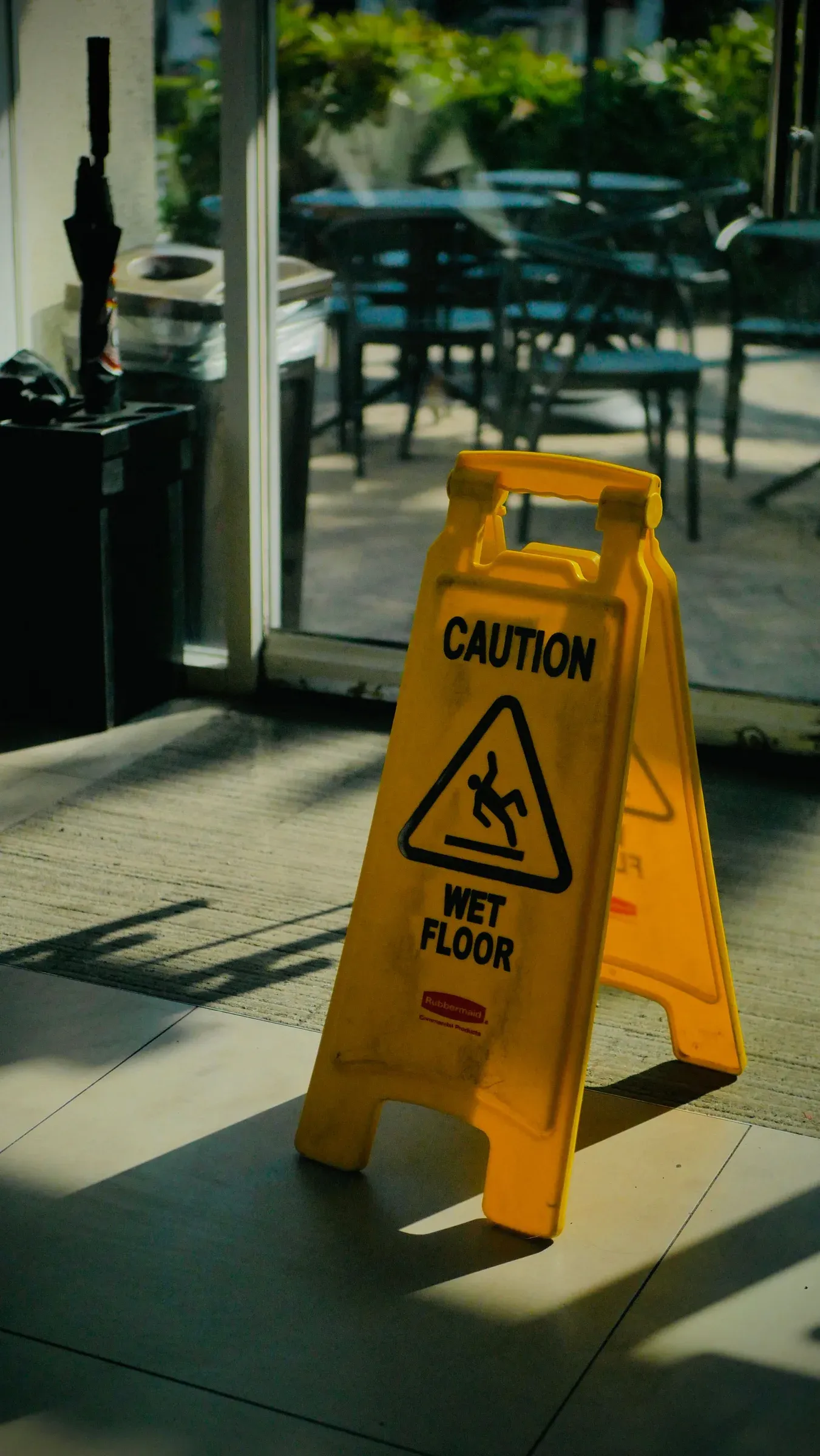
- ↗Wet or contaminated floors
- ↗Broken stairs or handrails
- ↗Uneven walking surfaces
- ↗Poor lighting
- ↗Inadequate inspection or maintenance
Los Angeles, California /
A fall on someone else’s property may require proof of both a dangerous condition and legally sufficient notice.
Request a Free EvaluationUnderstanding the claim
Premises cases are highly fact-specific. Inspection practices, maintenance records, prior complaints, video, lighting, and how long a condition existed can all matter.
A responsible evaluation separates what is known from what still needs to be proved. It also considers how the incident affected treatment, work, family responsibilities, mobility, and the person’s plans for the future.
Evidence to preserve
Preserve original files and physical evidence when it is safe to do so. Avoid editing, annotating, or posting potentially relevant material publicly.
The categories available and their value depend on proof, causation, insurance, and applicable law.
Building the case
California timing considerations
California law imposes deadlines on injury claims, but no single deadline applies to every matter. The type of defendant, the injured person’s circumstances, when an injury was discovered, government-claim procedures, and other exceptions can change the analysis.
Evidence can also disappear before a formal deadline arrives. Obtain advice promptly so a qualified attorney can identify the rules that may apply to the specific facts. This page does not state a universal statute-of-limitations period.
General information
These answers are educational and cannot replace advice about your specific situation.
Prioritize safety and medical attention, report the incident when appropriate, preserve available evidence, and avoid guessing about fault. A lawyer can evaluate the specific facts and deadlines.
Insurance representatives may request one, but the purpose and consequences vary. Consider obtaining legal advice before giving a detailed recorded account or signing releases.
Timing depends on liability disputes, medical recovery, available coverage, the parties involved, and whether litigation becomes necessary. No responsible estimate can be made without reviewing the facts.
Related practice areas
A serious crash can turn an ordinary trip into months of medical, financial, and practical uncertainty.
Explore →Commercial vehicle collisions can involve severe harm, multiple companies, and evidence that changes or disappears quickly.
Explore →Motorcyclists face direct physical exposure and are often unfairly blamed before the facts are known.
Explore →Free case evaluation /
Tell us enough to begin a focused conversation. Avoid confidential details, medical records, or financial documents at this stage.
This website is not an emergency service. Submission does not create an attorney-client relationship.
Start your evaluation ↘